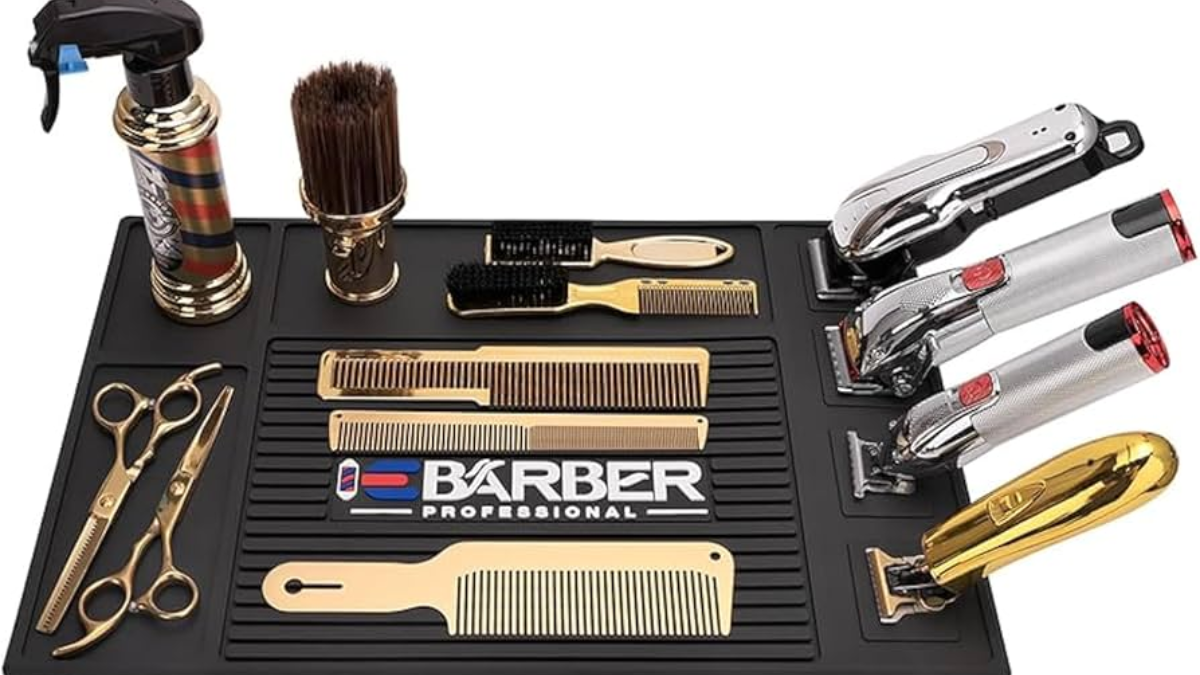
Introduction
You could be pursuing a position of a barbershop apprentice, an individual wishing to make a profession in barbering, or someone who is a mere novice indulging in the thought of making new gains by perfecting barbering as a skill. This handbook will dramatically juxtapose good output from amateur productions-wise barber indecisiveness. The many styles of hair and their lengths require specific tools and individual techniques. There is little difference between the capabilities of clippers and the power of a trimmer. Yet when it comes to hair, the blades of a good clipper matter.
Cherish your tools: great tools inspire great works. Every growing barber should master a number of these tools in order that he can boastfully credit it for its display.
Essential Barber Tools You Need and How to Use Them
Clippers (Cordless Preferred)
The heart of every modern haircut. Go for leading brands offering adjustable levers for blending.
How to use: Begin by using the lever when cutting low lengths and close it gradually while flicking outward to make the fade. Always cut reverse to the direction of the fine hair being clipped in.
Clipper Guards / Attachment Combs
The guards have numerals (#0 to #8+) that determine the exact length of hair during fade cutting.
How to use: Clip on the guards, and clip new strokes following the hairline contours on an upward direction. Higher numbers trim more bulk, whereas lower numbers perfect tight fades.
Trimmers / Detailers
These are perfect for outlining, edging, or skin fades if you opt for the T-blade because it cuts all around at once.
How to use: Hold the blade flat against the skin for neat lines purposes on ears, neck, and beard. You could use them freehand or as a shaver when working on bald fades.
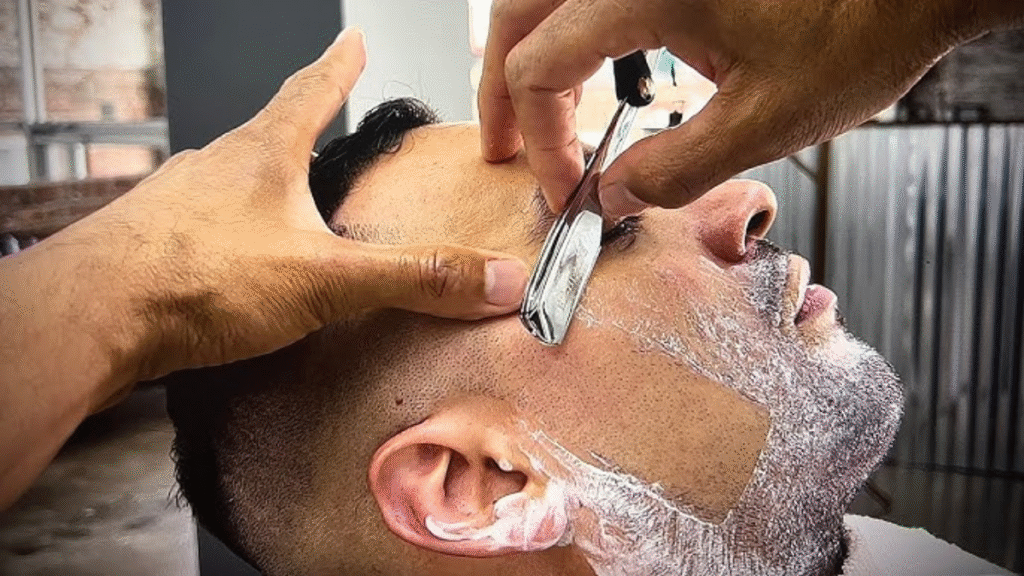
Straight Razor or Shavette
These will be used to shave heads for the classic-style head hot shave, outlining necks, and making killer straight sharp edges.
How to use: Strop the edge, brush, and then goodness with hot lather. Stroke the blade with little but firm grip, keeping the skin in tension while you mostly shave with the grain. Use aftershave balm for smoother finishing.
Scissors (Shears) + Comb
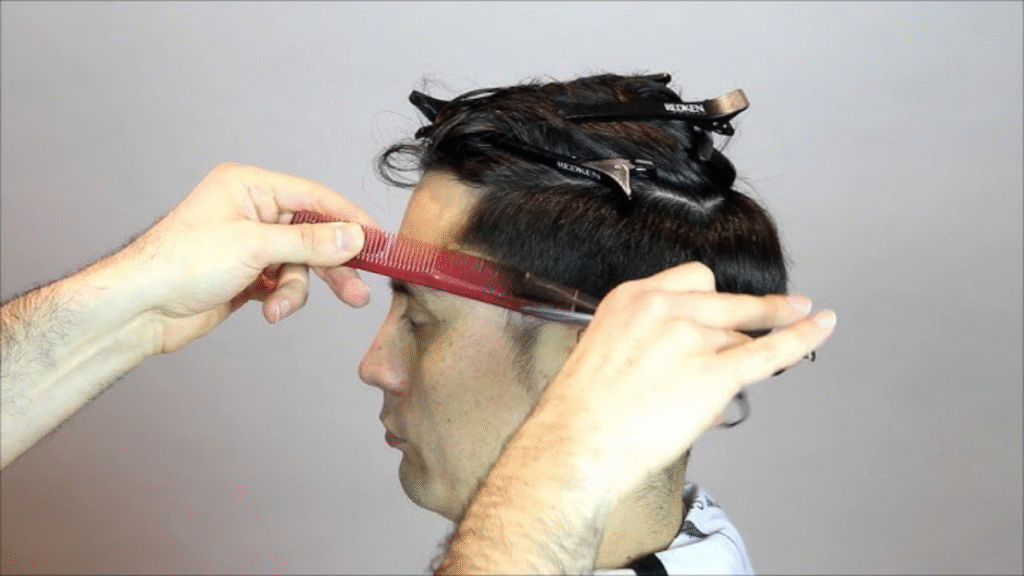
Shears are made for precise cutting and thinning shears molds all that texture.
How to use: For hair-on-hair blending at the crown, scissor-over-comb can be mastered by lifting the hair with a comb while slanting the scissors over it at an angle to merge the steps.
Neck Brush + Cape + Mirror Setup
Use a soft-brush around to remove stray hairs, a cape on the customer to have his clothes covered, and a back mirror to allow the client full view of the final look.
How to use: Gently brush out any stray hair after each step, ensure the cape is fastened correctly, and let the client check the work with the hand mirror.
Clipper Cleaning Supplies + Blade Oil
That new brush and spray disinfectant and oil will give your barber team the boost it needs.
How to use: Bush in all of the hair after the session; dry spray it with disinfectant; put a drop of oil on it, run the clipper for second and wipe clean.
Conclusion:
These essential barbering apparatuses, along with the right knowledge of utilization techniques, can help you in achieving professional haircuts within the least time possible. Start with clippers and some guards to fade, add trimmers for finishing touches, these are shears for texture, and polishing by razor work. Clean up your kit and maintain it after every session, practice on available heads and soon, you will be delivering results that are barbershop-level quality. You need just a few more quality pieces to complete your perfect setup-get clipping!.
FAQs:
What are the must-have barber tools for beginners?
Clippers with guards, detail trimmers, shears, comb, cape, neck brush, and cleaning supplies. Start here for fades, cuts, and clean lines.
How do I use clipper guards correctly for fades?
Snap on the guard, cut upward in sections, overlap strokes. Start low (#0–#1), increase guards gradually upward for seamless blending.
Is a straight razor necessary for every barber?
Not essential for all cuts, but great for clean necklines, edges, and hot shaves. Use with caution and proper stropping technique.
How often should I oil and clean my clippers?
After every use: brush out hair, spray disinfectant, apply 1–2 drops of oil, run briefly. Keeps blades sharp and prevents overheating.