Introduction
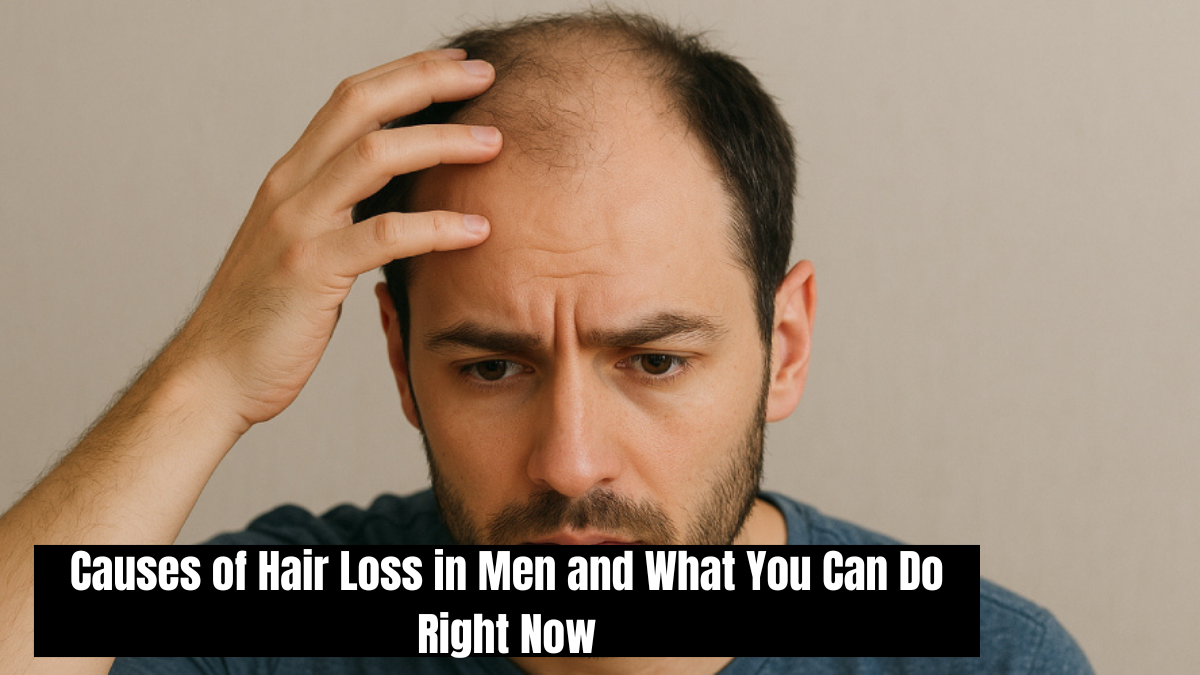
Baldness is one of the factors that afflicts huge numbers of males all over the world. It usually begins in hair loss at the age of around twenty or thirty, and then continues progressively until one’s maturity. A really typical example would be an alarmed reaction a man has to finding that in his shower drain, there seems to be far more hair strands than he remembers. Most people can tell that there exist many recognizable conditions that contribute to hair loss among men, and prevention must start at an early age. Commonly, the causes are classified under androgenetic alopecia, which is male-pattern baldness because this is the one most strongly inherited-almost all other proposed factors such as stress, dietary and lifestyle changes have inconsistent influences-but the good news is that many men today actually slow down or stop or even reverse the process. This guide details the causes of male hair loss with practicable ways on how you could protect your hairline and restore confidence even at this moment.
Main Causes of Hair Loss in Men
1. Genetics and Male Pattern Baldness (Androgenetic Alopecia):
It, along with the trigger of DHT-reducing hair follicles in genetically susceptible males, is the primary cause. It usually starts the frontal receding hairline and/or thinning crown according to the Norwood scale.
2. Hormonal Changes:
Other than DHT, such as thyroid disorders, raised stress hormones (cortisol), or lowered testosterone, explain shedding. These types of events tend to happen around puberty or during the middle life transition.
3. Under-nutrition and Poor Diet
Holes in iron, zinc, biotin, and vitamin D or protein-poor-properly cause the follicles to enter at risk. Above all, crash diets, badly planned vegetarian diets, or maybe very few kinds of processed foods cause thin hair.
4. Chronic Stress and Telogen Effluvium
So many hairs are catapulted into the rest (telogen state). Shedding lasts from 2 to around 3 months. The most common trigger will be work pressure, illness, or a life event.
5. Scalp Problems and Inflammation
Other irritations of the scalp like dandruff and seborrheic dermatitis, psoriasis, and fungal infections break down the hair roots eventually leading to and, if left untreated, tends toward scarring alopecia.
6. Medicinal Treatments and Medications
Most commonly included is high-blood pressure medication, antidepressants, chemotherapy drugs, steroids, other acne drugs, and other classes. Stopping or changing the regimen would typically result in regrowth of hair.
7. A few lifestyle contributors include smoking, drinking, and lack of sleep.
The blood is poorly circulated through the hair follicles by smoking; supply deficits are compounded by heavy drinking, and sleeplessness messes up hormones and cycles of restoration in the body.
What You Can Do to Stop or Reverse Hair Loss
Early Evidence Induction of Treatment
Patients will recite minoxidil topical and finasteride oral treatment by the FDA as easily as with the best effectiveness-if treatment has started-with initial signs of thinning. After 6-12 months of use, many men can expect considerable regrowth.
Optimize Nutrition for Healthy Hair
Among them would be protein-rich foods such as eggs, fish, and lean meat, iron sources such as spinach and red meat, and sources of zinc sources such as nuts and seeds. Supplementation would also mean considering multivitamin or targeted supplements if blood tests indicate deficiencies.
Stress Management That Works
Cognitive behavior includes daily exercise, meditation, or therapy. Average sleep of 7-9 hours should be optimized to prevent a chance control on cortisol and recovery for the whole follicular health.
Improvement in Scalp Care Regimen
And scalp massage on a daily basis, which can improve circulation. Gentle sulfate-free cleansers should be used. Scalp massages or tools such as these stimulate blood flow, possibly creating conditions for thicker growth.
When to Get a Consultation for This Problem
The diagnosis (blood tests, scalp exam) can be done at a dermatologist or a trichologist. They can rule out medical causes and will move into more sophisticated types of treatments that could include PRP, low-level laser, or hair transplants.
Conclusion
The cause of cutting men bald only urges them to take action rather than watch it progress. With genes appearing a lot in it, however, early treatment, better nutrition, stress management, and proper scalp care can give the best chance to most men to keep or get back hair. Don’t wait for the thinness to reach very catastrophic proportions-modifications can start little changes today. All these changes will be able to turn around the fate of most men in their 30s and 40s while still having a full head of hair shortly before heading into their later years. Get your hair future into your hands-take that step today!
FAQs:
What is the number one cause of hair loss in men?
Male pattern baldness (androgenetic alopecia), driven by genetics and DHT sensitivity, affects up to 50% of men by age 50. Early action works best.
Can stress really cause hair loss in men?
Yes, chronic stress triggers telogen effluvium, pushing hairs into resting phase. Shedding usually starts 2–3 months after a stressful event and often reverses.
Does poor diet contribute to male hair loss?
Absolutely — deficiencies in iron, zinc, protein, or vitamin D weaken follicles. Balanced nutrition supports hair growth and can slow thinning when addressed early.
How effective are minoxidil and finasteride for men?
Very effective for many: minoxidil promotes regrowth, finasteride blocks DHT. Combined use often yields best results, with visible improvement in 6–12 months.